

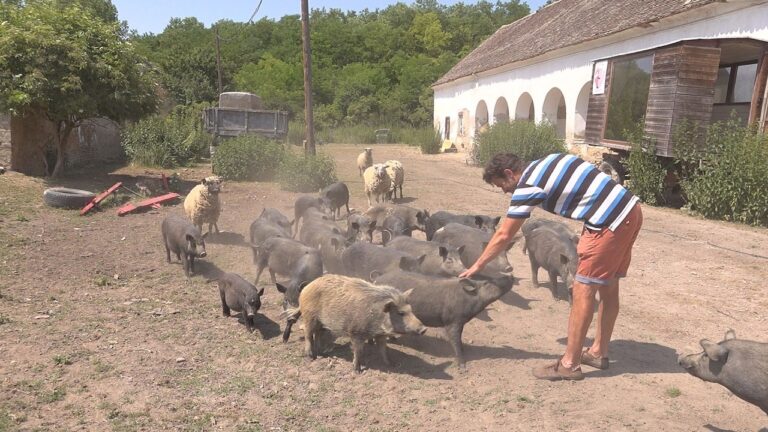
🌱 We were at the Gyüttment Festival again this year! 💚
Knowledge base
Explore our blog posts, our glossary, the events where the Association has been represented and our press coverage in the Knowledge Base.

How Can Production Costs Be Calculated on a Farm? A Practical Guide to Cost Reduction and Responsible Farming.
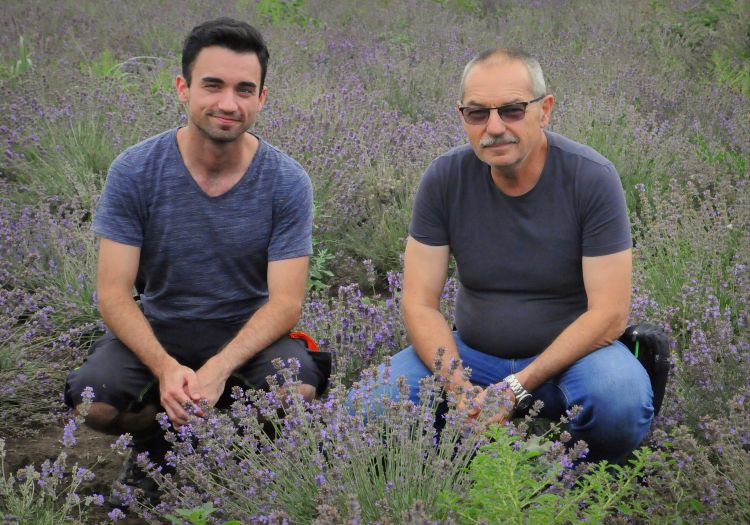
On the regenerative farm run by Attila Szeredi and his son, András, the soil remains moist even during heat waves, and the crops do not wither.
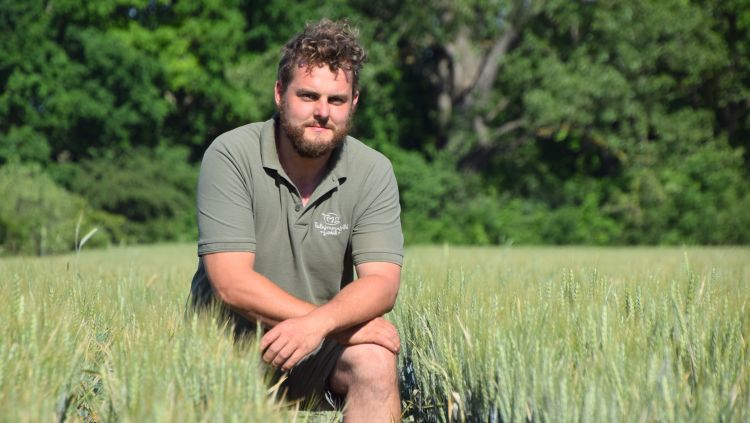
They’re constantly racking their brains, yet they don’t complain about the drought—instead, they’re overcoming the challenge. These days, the tone of domestic crop production is one of uncertainty:…
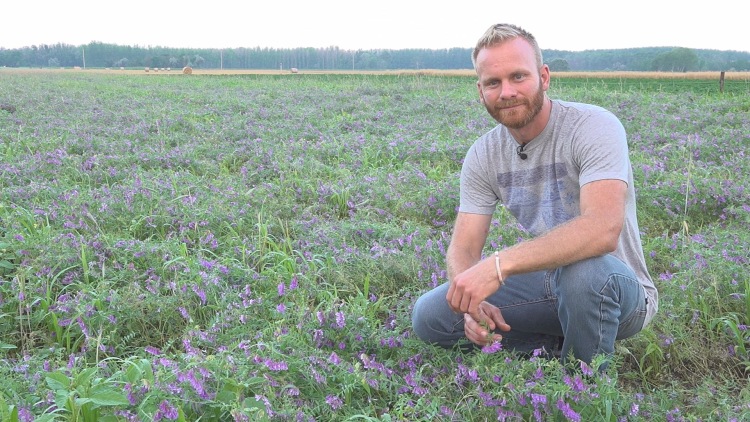
Farming in the Homokhátság region has always been a challenging task. Due to the sandy soils that dry out quickly, increasingly extreme weather, and a lack of rainfall…
https://www.agroinform.hu/szantofold/a-talajbol-elunk-megsem-tamogatjuk-azokat-akik-megmentenek-93074-021
https://mezohir.hu/2026/04/24/no-till-vagy-szantas-talajszelvenyek-mutatjak-a-kulonbseget-nagykoroson
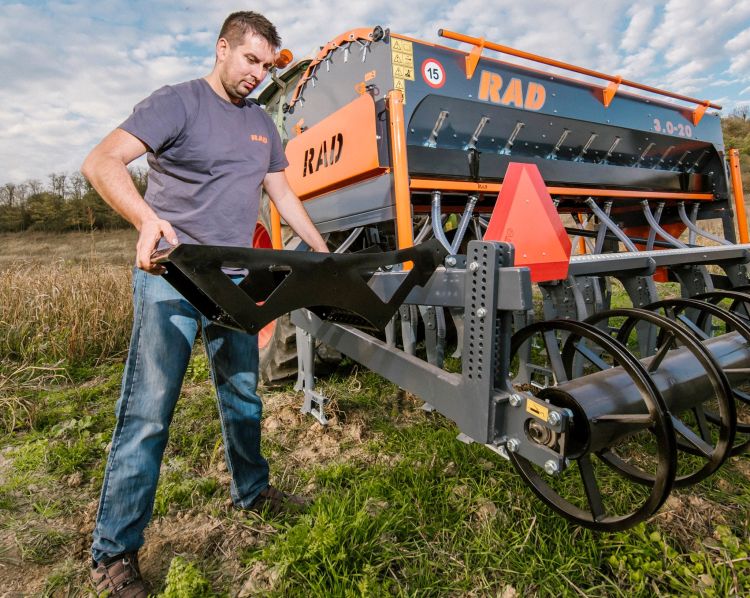
The machinery manufacturer and crop grower from Vojvodina has been using regenerative technology for years
GY.I.K.
Yes, it is. Even in areas with low rainfall of 250 mm per year, cover crops are successfully grown all over the world. Using various techniques and methods, germination and growth of cover crops can be ensured in such conditions.
Yes, regenerative farming can be applied to all soil types. The methods and practices can be adapted to different soil conditions and are therefore effective in all cases.
Regenerative farming can be used on any scale, from flower pots to thousands of hectares of farmland. The methods and techniques can be adapted regardless of size.
?
Do you have any other questions?
If you can't find the answer you're looking for, please contact us by clicking on the button below and one of our colleagues will be happy to answer your question!
 English
  Magyar
  Deutsch
  Slovenčina
  Українська
  Polski
  Русский
  Slovenščina