

Stag grazing at the foot of Krkonoše - visit to Zemex farm
Rotational grazing is now the future for more and more farmers: it protects the soil, increases pasture yields, and improves animal health.
But how does this method work in everyday life? Zsuzsi, an assistant at the Soil Renewal Farmers' Association, visited the Zemex farm at the foot of the Krkonoše Mountains and saw firsthand the changes that a well-organized grazing system can bring.
Lots of cattle grazing in stages
When I visited the foothills of the Krkonoše Mountains in June 2025, my first task was to find out who owned all the cattle I could see practically everywhere. I didn't have to search long—the answer came right away, along the road: Zemex – organic beef. The company's website Organic beef from Krkonoše There is a wealth of information about the company and its products here. They are also active on Facebook: you can find them under the name ZEMEX.
The economy in northern Czech Republic, in the Liberec region, located at the foot of the Giant Mountains (Krkonoše), at an altitude of 600-800 meters. Animal husbandry already existed in the village in the 20th century, and Zemex was founded in 1991 after nationalization, merging several former state farms on approximately 700 hectares. This area then went to Jana Bémová's father, who initially engaged in dairy farming.
A transition – towards an organic approach and meat production – is now associated with Jana, who took over the farm in the 2000s. Since 2014, they have specialized in beef cattle breeding, mainly Aberdeen Angus and Simmental breeds. It is important to note that calves are not separated from their mothers at an early age – they stay together until they are naturally weaned.

A farm where even the grass can rest
What is particularly noteworthy is their grazing method. During the spring, summer, and fall seasons, the cattle are in the mountains, divided into groups of 40 to 55. They do not stay on one large pasture all summer, but instead the owners they use rotational grazing. This means that the area is divided into smaller plots – several sections – and the team is reassigned to a new section approximately every 5 days. They move on to another section, so they always find fresh grass and herbs. The grazed area can then rest and regenerate.
The great advantage of this method is that it strengthens the roots of the vegetation, enriches the soil life, and better retains moisture—which is invaluable in the mountains, but especially during periods of drought.
How does a pasture change take place?
After contacting the farm, I was surprised to receive an immediate and friendly response. The owner offered to show me a pasture change on a June morning.
Jana came to pick me up personally and took me to the site. There were already three or four workers there, including her son, who were separating the area where the animals were moving.
Their 700-hectare area is not contiguous. The pastures are crisscrossed by narrow mountain roads, so the animals have to be led across them. The work of the two herders mainly consists of supervision—the cattle know quite well where to find fresh grass.
When a cyclist approached, the cattle politely stopped in front of the road, as that was where their previous territory ended. In the video, you can hear the men telling them not to stop. They obeyed nicely, so the operation was a success.
When the fresh, tasty grass and all the herbs there are gone in about five days, they will come back to herd them again.
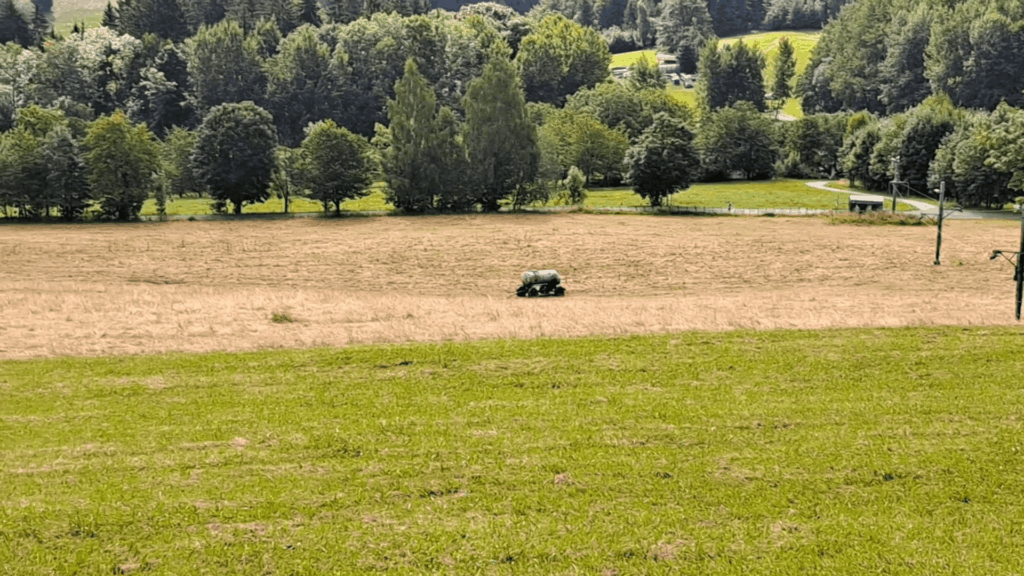
When I went back to look at the previous plot, it was clear that the green grass had indeed disappeared – The cattle grazed everything, but not to the ground, so the vegetation can quickly grow back.. During grazing, manure is also spread evenly, which naturally fertilizes the soil, returning nutrients to it.
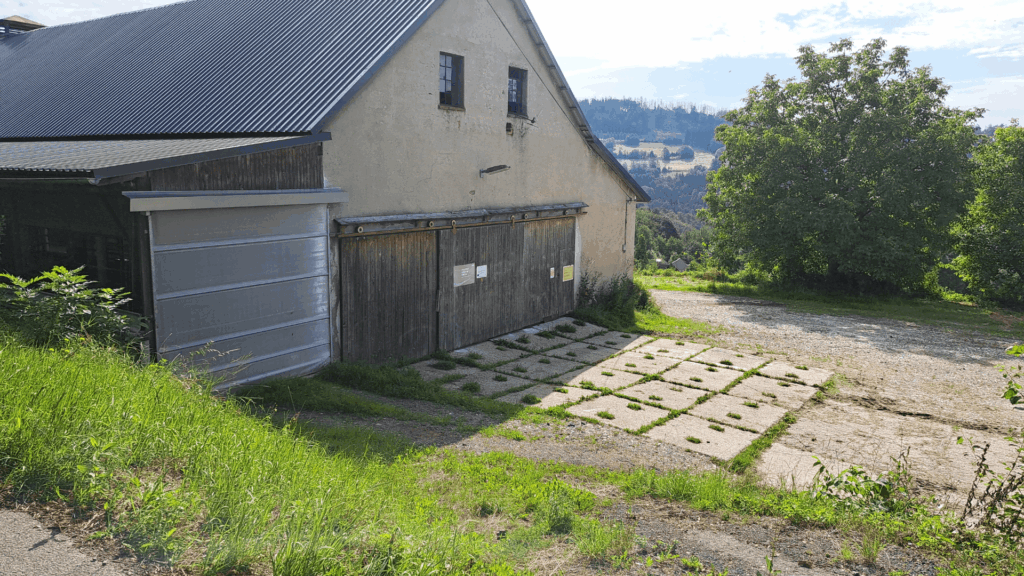
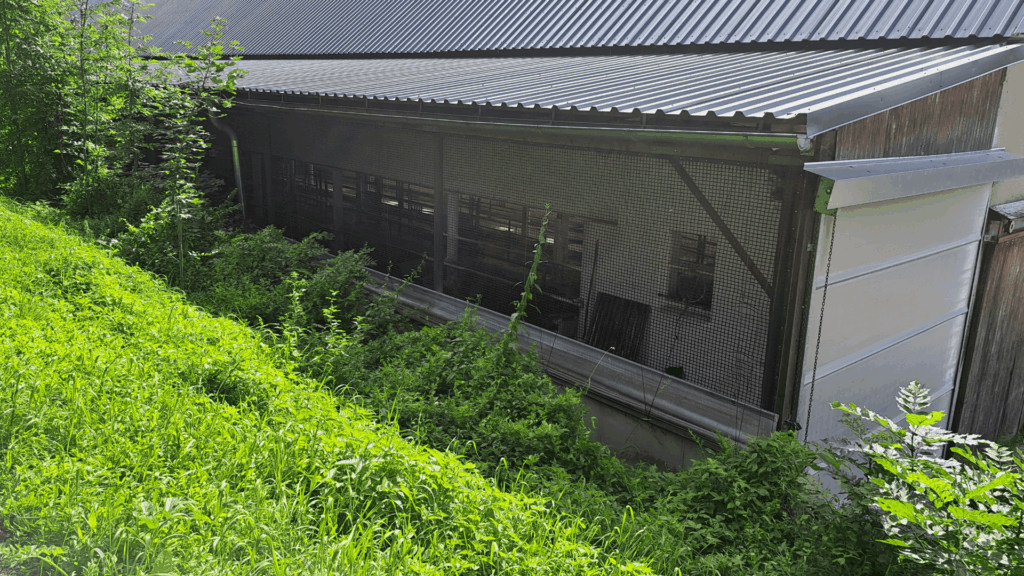
Jana showed the two stable also, which only used during the winter season. In one of them, an injured, cute cow was recovering. Then we went to the meat processing plant, where the slaughterhouse, cold storage, and dryer are located. Drying is done with warm air, and all processes are supervised by Jana, her son, and her sister-in-law.
Meat from a vending machine?
The products are mainly sold through the website, but they also have two vending machines where you can buy dried meat, sauces, and ready-made meals. I tried one of them in Liberec – I bought 50 g of honey-mustard dried beef, which cost 120 koruna (approx. $0.70).
Although I haven't eaten meat for 15 years, I tried it—and I have to admit, it was very tasty. The conditions under which it is produced are entirely in line with what I consider important: animals living a peaceful, natural life, kept with care and in an ethical manner.

On beautiful mountain pastures
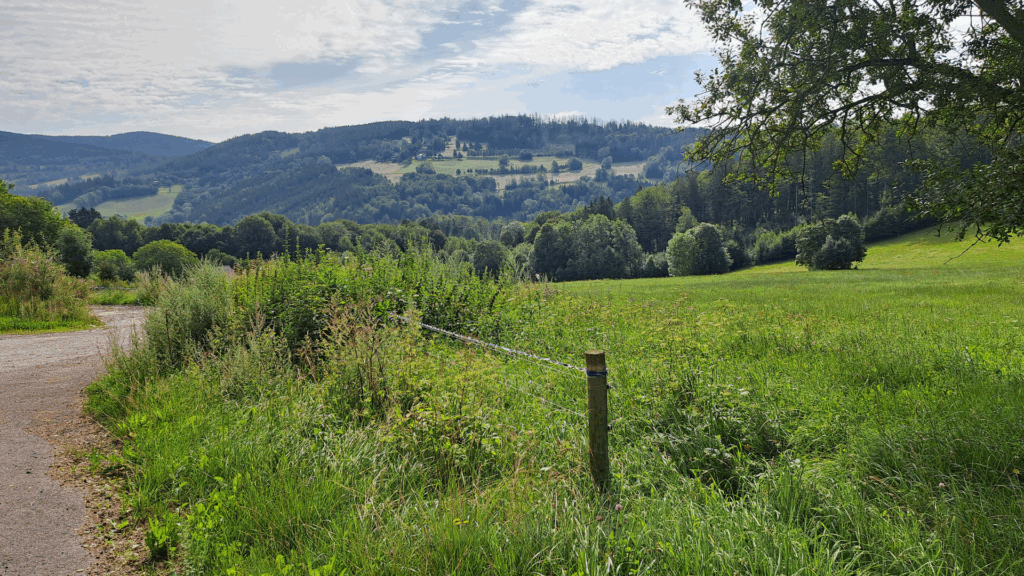
The cattle shown in the pictures They graze in beautiful surroundings all summer long, until the winter season.. Every animal has a name and is well cared for, which is clearly evident. You can tell that the owner loves animals and enjoys what she does.
At the end of the visit, I even received a gift—rock-dried meat—which we later tasted together with the TMG members at Lake Balaton. Everyone enjoyed it, and we all agreed that the animals on this farm really do receive the best treatment. The beautiful mountain pastures, rotational grazing, and the farmers' love for their work are all evident in what they do.
The soil, vegetation, animals, and farmers all benefit
A shift grazing such sustainable farming practices, which promotes soil regeneration and reduces environmental impact.
- Improves soil structure – Roots are stronger, more organic matter (manure) is returned, and humus formation is enhanced.
- Water retention – Due to deep roots and improved soil life, the area is more resistant to drought.
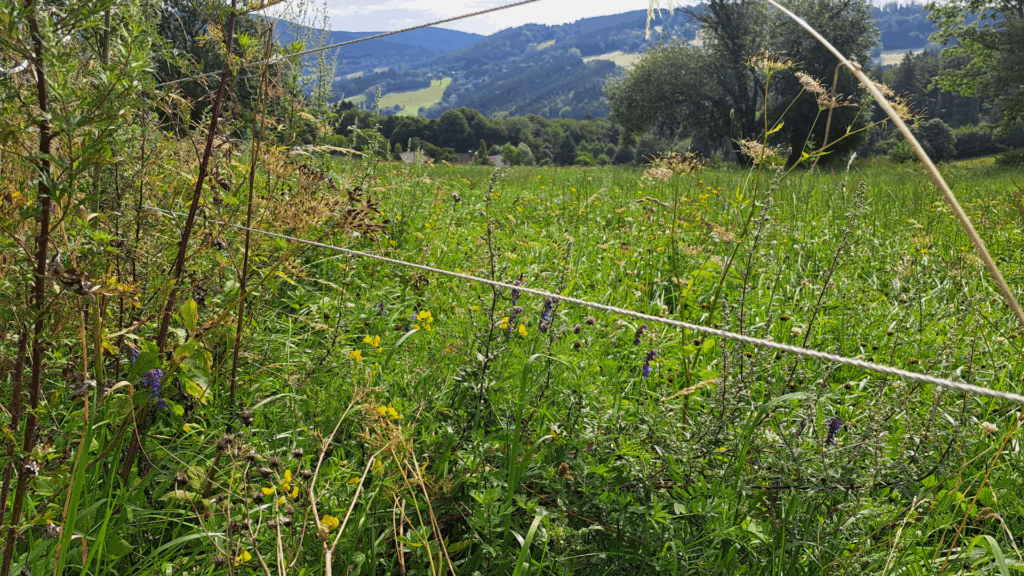
- Biodiversity – Flowers, butterflies, and bees appear in the rested sections, and the number of plant species increases.
- Animal health – Fresh, nutrient-rich feed reduces the risk of disease and improves condition.
Rotational grazing: not just for large farms
Although Zemex farms several hectares of land, rotational grazing can be introduced even on smaller farms. The basic principle is the same: graze for a short period of time, then allow the area to regenerate for a longer period.
And most importantly, the observation and flexibility – No two years are the same, and the method must always be adapted to the condition of the vegetation.
Intermittent grazing is not just a technology, but a change in mindset. The Zemex farm at the foot of the Krkonoše Mountains is a living example of this. soil restoration practices and profitable animal husbandry can go hand in hand.
 English
  Magyar
  Deutsch
  Slovenčina
  Українська
  Polski
  Русский
  Slovenščina