
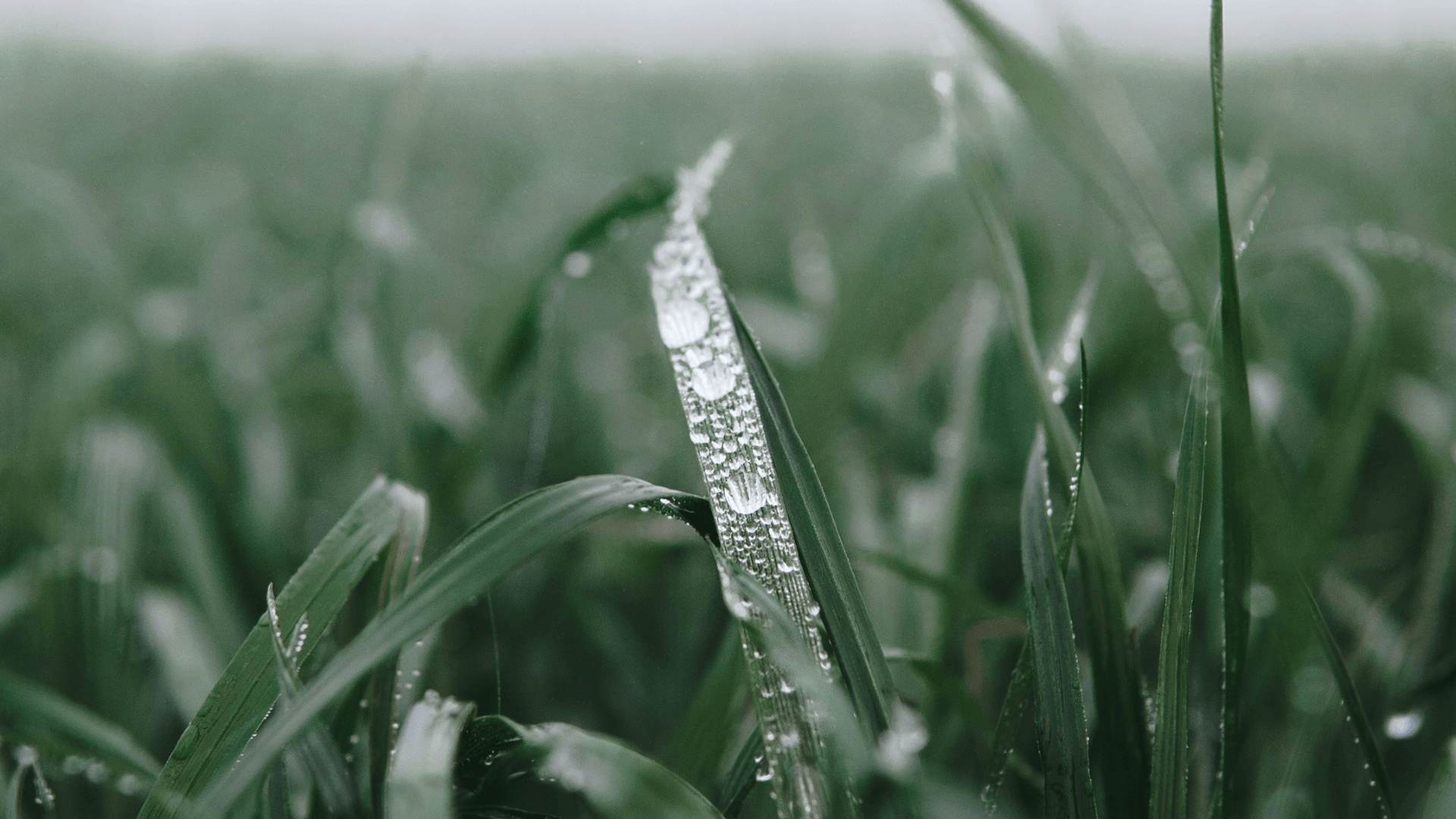
Water - the secret engine of soil life
Water is the most basic element of soil life. Every organism, every living community, reaches the point of failure when its water content falls below 40%. This is also true for soil microbial communities. The younger and more evolved a system, the more vulnerable it is: even a small water deficit can lead to a domino-like collapse. Older systems can survive major water losses, but they too will decline once their reserves are depleted.
What happens when it dries out?
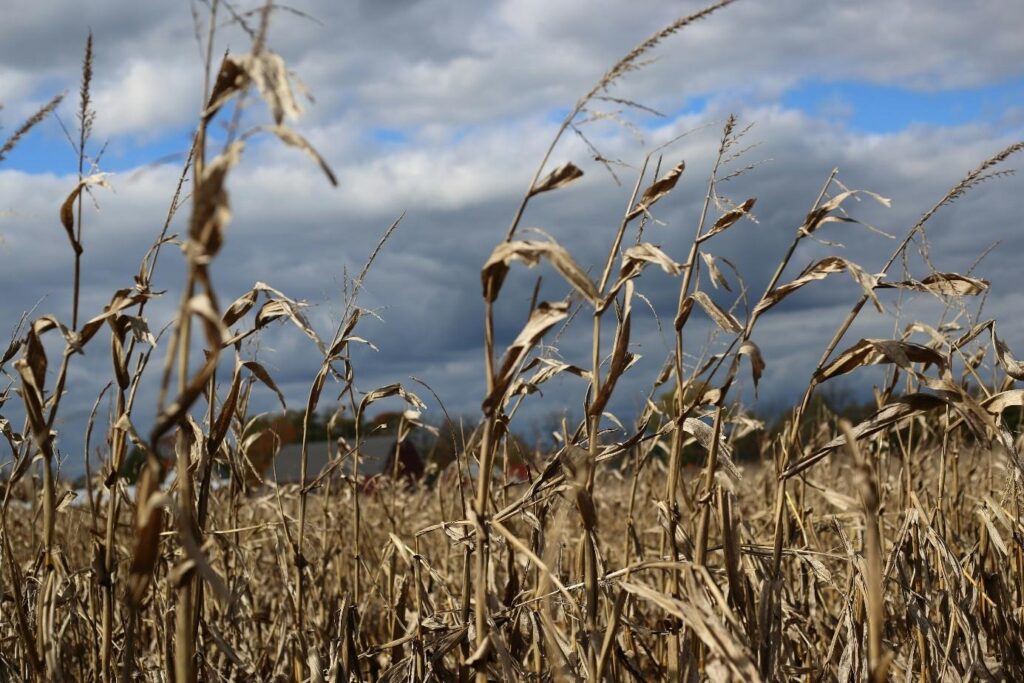
The diverse, interdependent fabric of soil life is breaking down. The larger water-holding and -moving systems, such as the root zone and microbiome of trees, break down first, followed by smaller, less water-holding formations. Micro-organisms, driven by the instinct to survive, compete relentlessly for the remaining water.
In the final phase of the system, biological processes are replaced by physical laws: crystallisation, structural disintegration, aggregate-level collapse. The soil becomes lifeless - temporarily.
It is the dynamic interaction between water and soil life that allows soil biological equilibrium to be maintained - disruption of this equilibrium triggers collapse.
Why does the soil come back to life?
The reason is simple: a farmer is never in full control of his environment. Disturbances are only local, other parts of the landscape continue to live and develop - and this is where regeneration can start. The diversity of the soil, its microbial and structural diversity, allows it to recover from any environmental stress.
The biggest mistake we can make is not to think systemically.
A misleading example
A Chinese study has shown that monoculture plantations have higher microbial activity than associated crops. Why? Because the water content of the soil there was 32%, while in the other case it was only 28% - but this important difference was ignored. So the conclusion was wrong. There is no room for inattention in soil testing.
The soil: never homogeneous, but always purposeful
The soil is diverse in its matter, but biologically it has a single biological purpose: the continuous self-maintenance, development and growth of the system. The system always takes advantage of the surplus offered by the environment - be it water, nutrients or a new gene sequence in a microbiome.
Interestingly, microbes often swap gene sequences between each other when it benefits the system as a whole. This allows soil life to adapt to new conditions.
The building blocks of humus: fulvic acids and polyuronoids
The key to stable soil structure is microbial metabolism: the formation of fulvic acids and polyuronoids. The latter, in the form of biofilm layers, gels and mucilages, have a significant water-retaining capacity, help to bind nutrients and maintain microbial life.
How can their share be increased? The richer the mixture of glycoproteins, sugars and proteins in the soil, the better the water and nutrient retention capacity. Nitrogen is particularly important: plants use 40% of their water consumption to fix nitrogen.

The role of animals: differences in fertilisers
Manure from ruminants is rich in microbial metabolites and mucins - more valuable in the long run -, while poultry and pig manure is rich in nutrients (nitrogen, phosphorus). In nature, mixed fertilizer systems have also evolved - and for good reason: this is how complete soil life support is provided.
Vegetation and microbiome grow together
The larger plant biomass provides more organic matter, which the microbiome incorporates, transforms and stabilises. This results in a durable soil structure and a favourable water and nutrient balance.
Mulching: essential protection
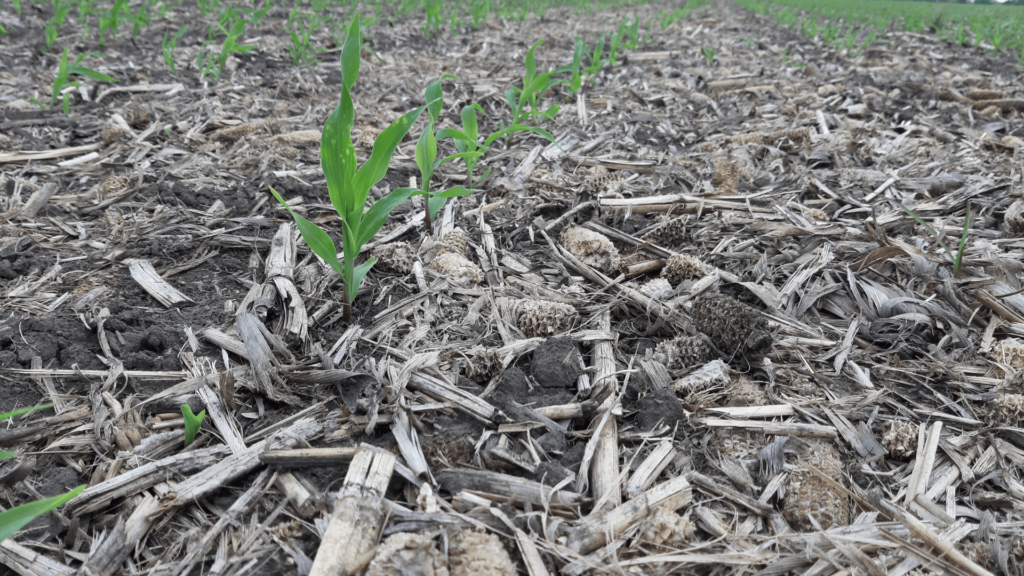
Fresh, microbial-derived materials are sensitive to heat and UV radiation. A in untilled soil they degrade quickly - so a continuous, thick, structural, living cover layer is essential. Until we provide this, we can only expect slow, partial regeneration.
The right way is already known
It can be shown that water and soil life together determine the stability of soil structure and plant development.
Allan Savory has also confirmed: with the right technology, degraded land can be restored to healthy, living soil - but this requires complex, systems-based thinking.
Summary
Once again, we've invented hot water - but now we understand why temperature matters. It may help us achieve real soil renewal faster at regional and landscape level.
 English
  Magyar
  Deutsch
  Slovenčina
  Українська
  Polski
  Русский
  Slovenščina