
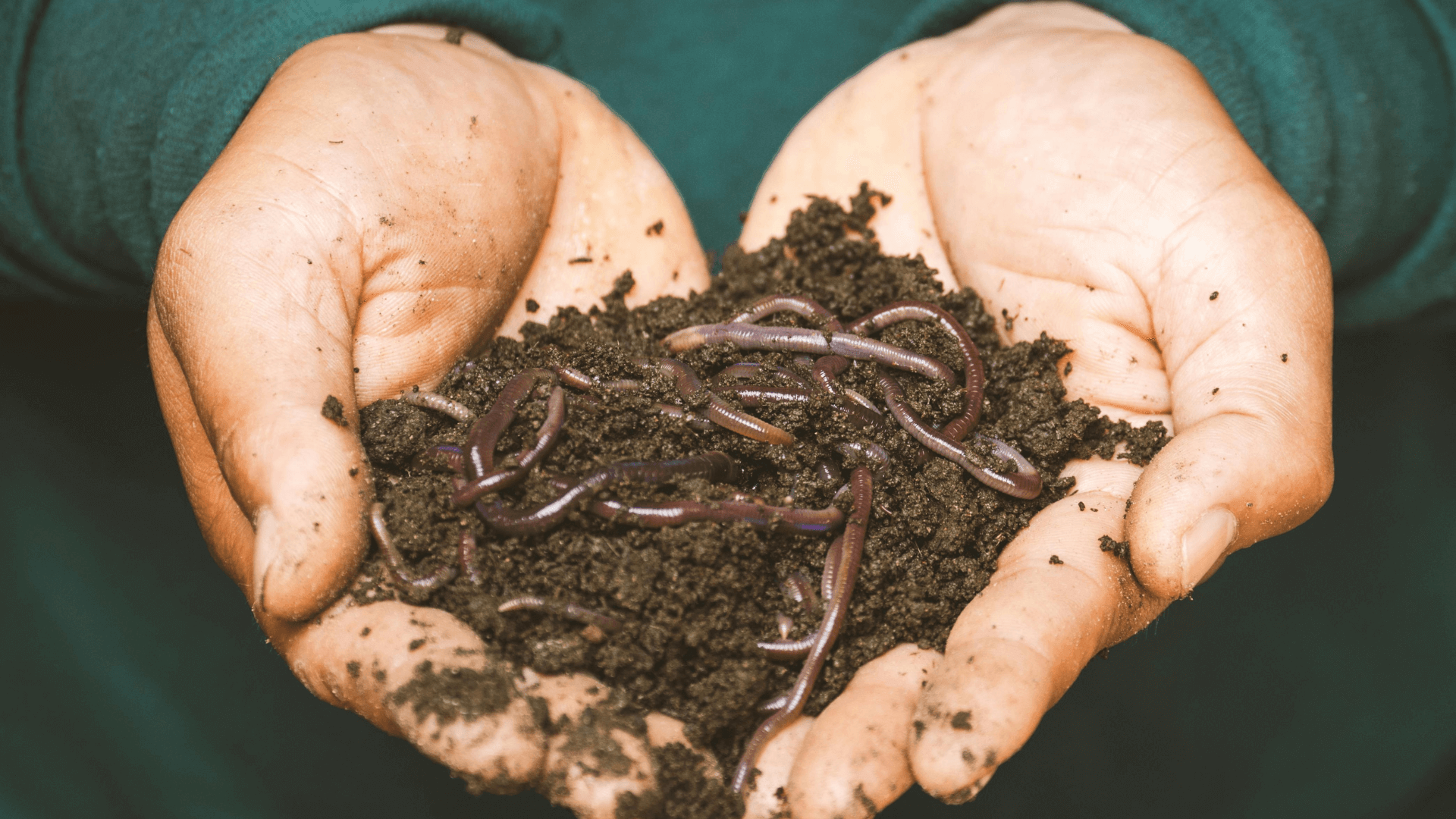
The proven pathway of humus formation - what does the science show?
A little-known scientific paper published in 2016 highlighted the only experimentally proven physiological pathway for humus formation. Although the study lasted only 18 months and did not focus on agricultural technology, its conclusions fundamentally rewrite the existing picture of the potential of soil improvement and carbon sequestration.
Why is the focus back on humus formation?
The formation of humus long considered a mystery by soil scientists and practitioners. Many have tried to model, artificially influence or even accelerate the process - with varying degrees of success.
But the rise of regenerative agriculture has put the spotlight back on the humus role, since soil organic matter is the key not only to healthy plant growth, but also to mitigate climate change.
This is why it is particularly important to understand, how humus formation actually happens, and which interventions deliver real, measurable results - not just in theory, but in practice.

Soil organic matter transformation: more than decomposition
Soil organic matter is made up of compounds of plant origin. They are simple in structure, making them highly sensitive to climatic and human impacts - mere recycling of stem residues does not ensure a sustained accumulation of organic matter in the short term (1-2 years).
The study demonstrated that microbiological transformation of these compounds creates the more stable, complex organic matter fractions. This process is essential for the soil to permanently increase its carbon and nutrient storage capacity.
The key role of the microbiome
The microbiological diversity (number of bacteria and fungi species, number of individuals), not the soil structure, is the main determinant of the potential for organic matter accumulation. The richer and more balanced the soil microbial community, the greater the chance of stabilising organic matter.
The research also showed that the microbiome of the plant root zone only makes a difference if the system is well supplied with nutrients, especially minerals and metal ions. In this way, stable organo-mineral complexes can be formed, allowing long-term carbon storage.
Simple microbiological preparations will not work
The results of the study make clear: microbial preparations containing a few species or strains, fermented products and technologies without mineral supplementation alone will not bring breakthroughs in soil regeneration. The same is true for no mulching.

Measurable results in practice
In the 18-month study, a stable organic carbon increment of 0.8-1.3% was measured - an outstanding value in such a short time. The figures show: with the right technology, microbiological diversity and mineral amendment, the actual carbon sequestration capacity of soils can be dramatically improved.
This offers hope for a carbon accounting and agricultural finance system based on real carbon sequestration - but only if we can keep organic matter depletion factors in check.
Microbiological organic matter: the key to stability
The cell wall polymers, proteins and lipids produced by microbes form stable, long-lived forms of organic matter that also store significant amounts of nitrogen. For example Esstence technology has been shown to provide 20-60 kg/ha of additional nitrogen fixation per year - an important player in future soil renewal practices.
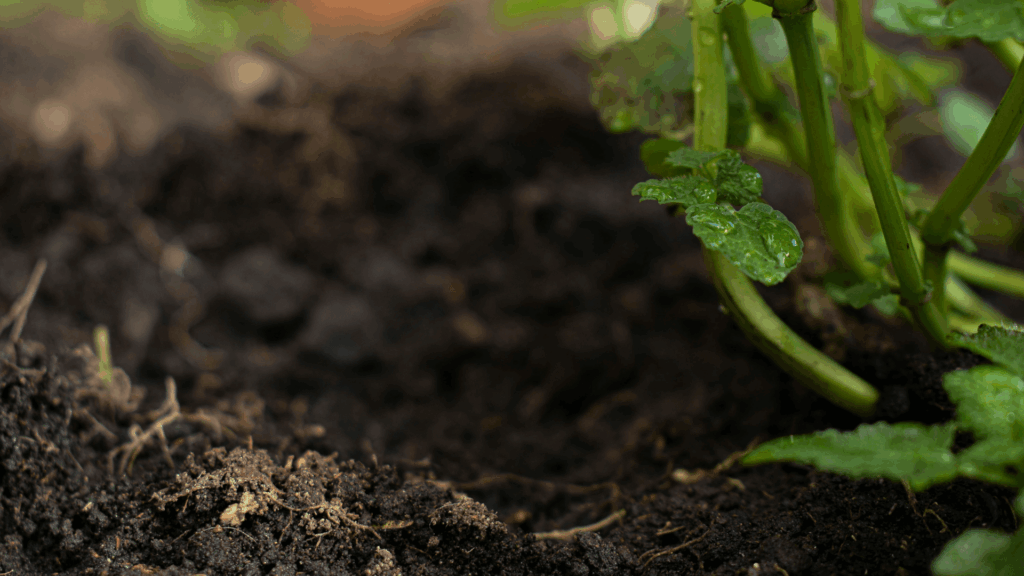
Conclusion: it can't be helped
The research confirmed what is already known in practice:
- Soil rotation,
- Chemical crop protection,
- Fertilisation that destroys soil life
permanent soil renewal cannot be achieved.
However, it is also low:
- when using a microbiological formulation with few species,
- if we work without mineral supplementation,
- if effective mulching is not carried out.
Promoting humus formation is one of the most promising ways
Humus formation is not magic, but a highly complex biological and chemical process that requires a real systems approach to manage. Microbial diversity, mineralisation and soil cover are not optional elements of sustainable soil management, but are fundamental to it.
Although there are still many open questions, it is already clear: promoting humus formation is one of the most promising ways to improve productivity and increase carbon sequestration. But for a real breakthrough, it is essential that agricultural actors work together with science - and soil life.

Publication cited:
Direct evidence for microbial-derived soil organic matter formation and its ecophysiological controls
 English
  Magyar
  Deutsch
  Slovenčina
  Українська
  Polski
  Русский
  Slovenščina